Drew Roth · 30 October 2026
Patterns of Engagement: How Boutique Sites Can Leverage Data for Better User Connections
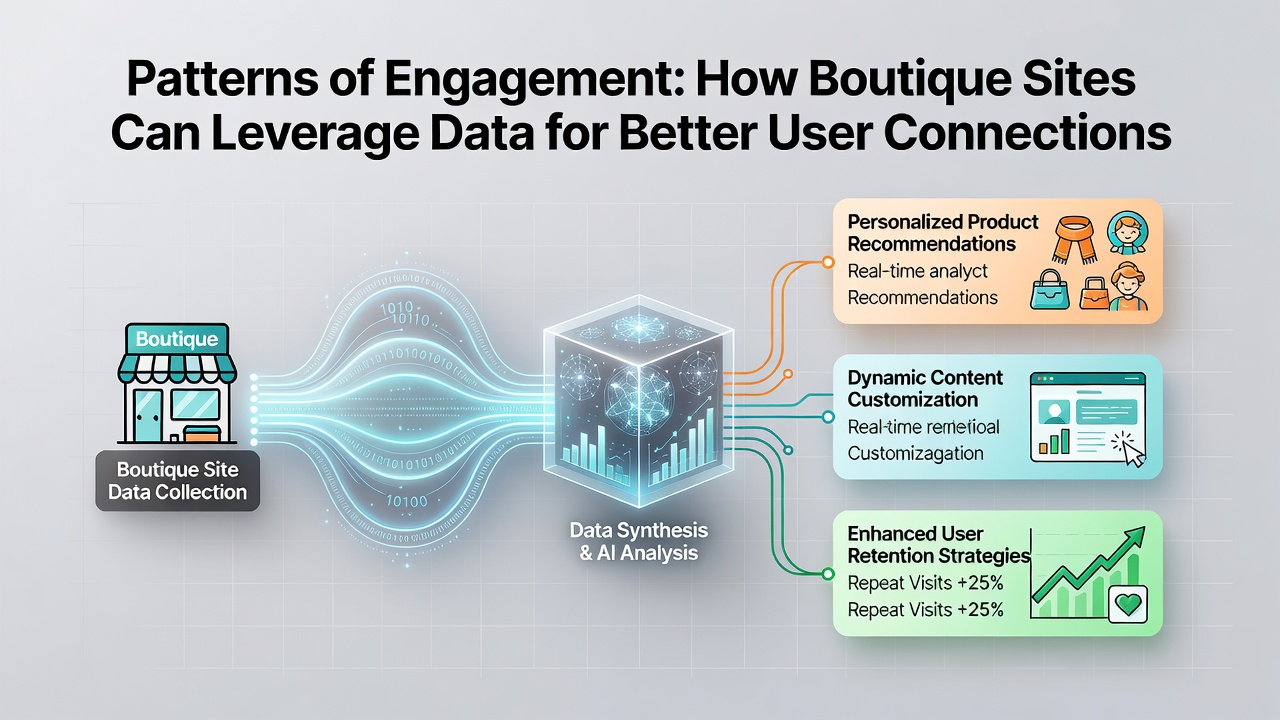
Smaller online platforms often track visitor actions through click paths, session durations, and return frequencies to identify recurring behaviors that signal stronger connections. These measurements come from integrated analytics tools that record page views alongside scroll depth and form submissions, which together form datasets ready for pattern extraction. Boutique operators apply segmentation to group users by activity levels, allowing targeted content adjustments that align with observed preferences rather than broad assumptions.
Data Sources and Collection Methods
Independent sites gather information from server logs, embedded scripts, and occasional user surveys that capture demographic details alongside behavioral indicators. Figures from the Australian Bureau of Statistics show rising adoption of first-party data collection among smaller digital properties as third-party cookies decline. Researchers note that combining these streams produces clearer pictures of how audiences move through navigation menus and content sections over multiple visits.
Session replay tools add another layer by replaying individual journeys without storing personally identifiable elements, which helps teams spot friction points such as slow-loading elements or confusing calls to action. Data indicates that sites maintaining consistent tracking protocols see more reliable longitudinal records, enabling comparisons across weeks or months rather than isolated snapshots.
Analysis Techniques for Identifying Patterns
Cluster analysis groups visitors who exhibit similar dwell times and content consumption sequences, revealing cohorts that respond differently to layout changes or topic emphasis. Machine learning models trained on historical logs can forecast churn risk by flagging drops in frequency or depth of engagement. One study released by Statistics Canada documented how niche sites using these models adjusted homepage modules and recorded measurable lifts in repeat visits within six-week observation windows.
Heatmap overlays further illustrate concentration of attention on specific elements, guiding refinements to image placement and headline hierarchy. Observers note that cross-referencing these visual maps with conversion funnel data produces actionable insights about where interest peaks and where drop-off accelerates.
Implementation Strategies on Boutique Platforms
Operators divide audiences into tiers based on recency and interaction volume, then deliver differentiated email sequences or on-site recommendations that reflect each tier's demonstrated interests. A/B testing frameworks run continuously on headline variations and navigation labels, with results aggregated to determine statistically significant winners. Evidence from academic papers published by the University of Toronto indicates that sites iterating on such tests at bi-weekly intervals maintain steadier engagement curves compared to those making sporadic updates.
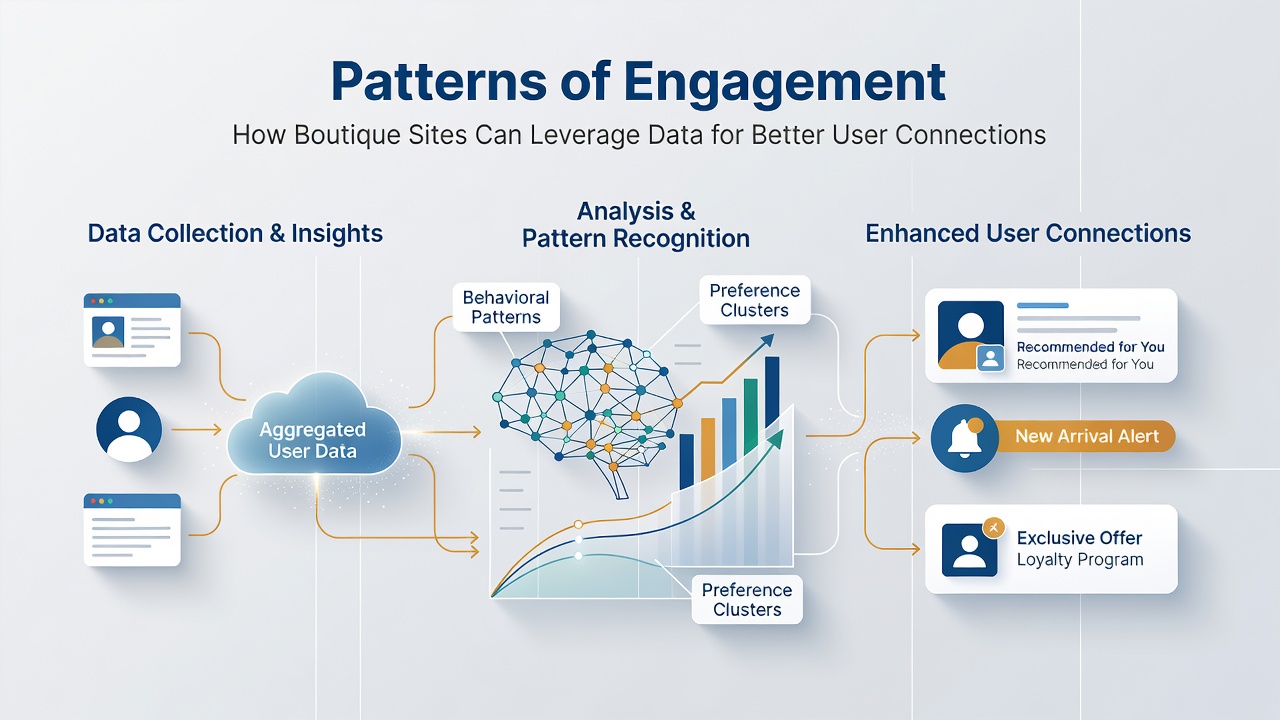
Personalization engines built on rule-based logic rather than opaque algorithms allow smaller teams to retain oversight while still scaling relevance. Content calendars shift according to seasonal spikes identified in prior years' data, ensuring alignment between publication timing and audience availability patterns. Those who've studied these workflows report smoother integration when changes roll out incrementally instead of through wholesale redesigns.
Developments Expected by October 2026
Industry reports project that enhanced privacy-compliant attribution models will become standard across boutique platforms by October 2026, supporting more precise measurement of cross-device journeys without relying on deprecated identifiers. Regulatory frameworks in the European Union continue to shape allowable data retention periods, prompting many operators to adopt aggregated reporting dashboards that preserve utility while meeting compliance thresholds. Research institutions track how these shifts influence overall connection quality metrics such as average pages per session and subscription retention rates.
Conclusion
Boutique sites that systematically apply engagement data achieve tighter alignment between offered material and audience expectations through iterative refinement cycles. Continued monitoring of emerging tools and regulatory updates keeps these practices viable as the digital environment evolves, with aggregated findings from multiple regions providing benchmarks for ongoing calibration.